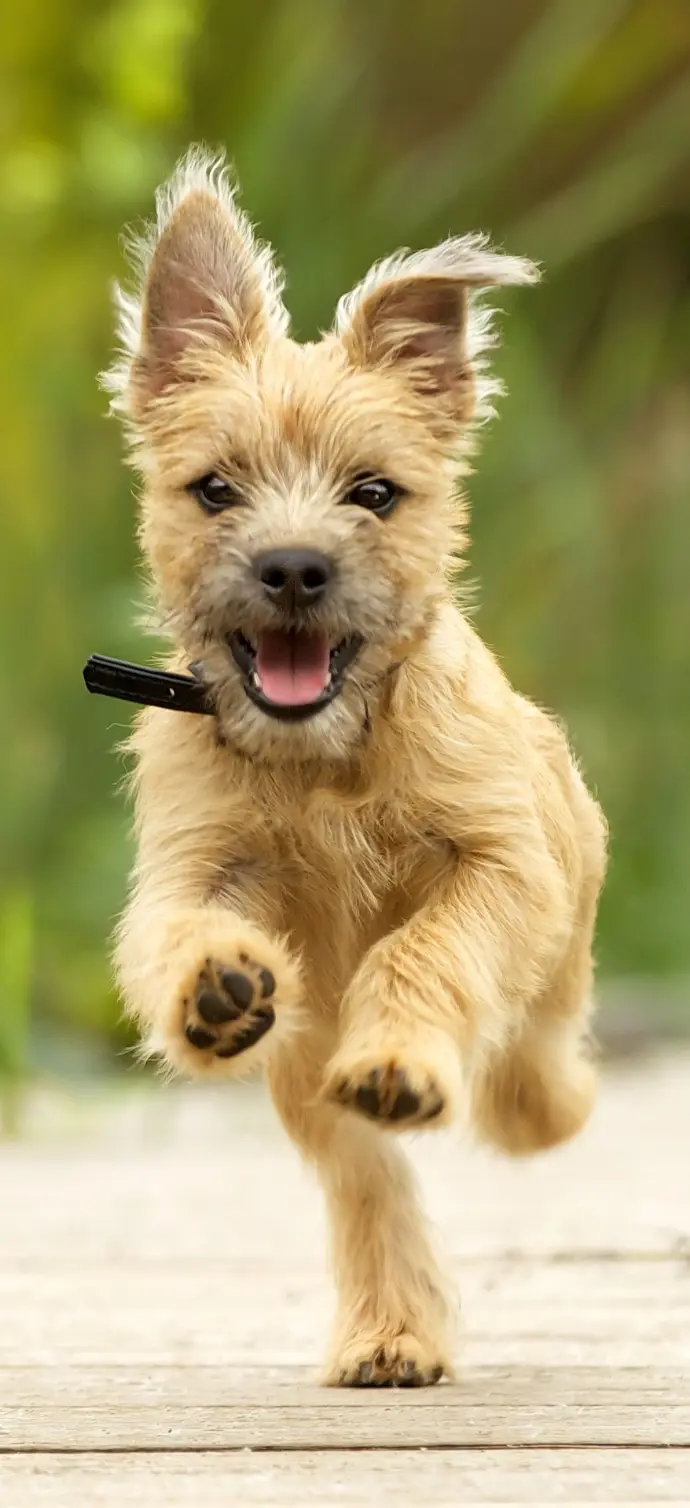
A quick and robust recall is something that everyone wants for their dog, not just to make life easier for us but also to make sure that we can always keep our dogs safe from potential harm. So why is it that a truly reliable recall can be so hard to attain?
What is recall?
With anything that we teach our dogs, it is important to be very clear what you expect both from you and your dog to allow us to teach the behaviour so it works as you expect.
A reliable recall means coming back when called, no matter the distraction, and staying with you until you send them off again or choose to go home/move on. A big part of this is also to be very comfortable with having the collar or harness touched, so they can go back on leash.
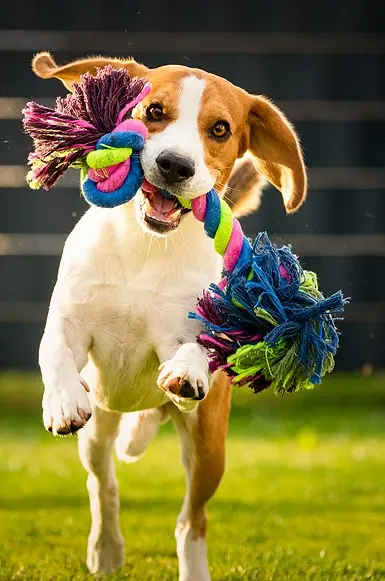
Why is it so difficult to get right?
We need to remember how dogs (and most of the rest of us) learn.
Cause & effect - fun ends
Often, because we are busy, we let our dogs have a run around off-leash and, when we call them back, they go on-leash again. They learn very quickly that, if I come back, then my fun ends. So why would they come back when called?
Cause & effect - touching
Even if your dog comes back when called, many will duck from the hands reaching for the collar or harness. They have learned that hands coming in mean an end to the fun, so best to dodge those!
Cause & effect - slow returns
We tend to focus on trying to correct the 'bad' instead of promoting the good between each other. This doesn't work so well with dogs. If we give out to a dog for a slow return, next time they are not coming back at all.
What we practice - at home
Again, life is busy, and finding time to do all the practice needed is hard to do. A lot of the time, because of these pressures, we focus on practicing at home in the garden. So our dogs get great at home but haven't practiced where it is really needed.
What we practice - 3Ds
When we teach anything, it is important to work through all elements. This includes distance, duration and distraction. We need to build up each ability separately before we put it together. There is no point working on a recall at 50m away if it only works half the time.
What we practice - self-control
Even though we want to work on getting your dog to come back, for a good recall, we also need to work on other things, like listening to their name and showing some self-control. We need to teach your dog how to stop and think then ask, rather than just go.
How to start getting recall right
Set your dog up for success
Starting off, don't try call your dog away from a sniff or another dog, don't try from 50m away and don't try in a brand new place, not yet. Call your dog when you know it will work: when they have finished their sniffs; when they are done saying hi to a friend; or when you have caught their eye. The more successes they get the easier and faster the progress.
Build your confidence
This goes for both you and your dog. That is not to say, let them off-leash anywhere. Instead, set it up so that it is safe. Use a good padded (and with a handle) long line so that they can run around, get sniffs in but also be safe. Please do not use a retractable leash for this. This allows you to practice in lots of different places including the park, the beach, different green spaces in other housing estates.
Focus on the good
It is very easy to only notice when things don't go right. However, based on how we are going to practice, you are setting your dog up to always get it right. If they don't, that's on you. Celebrate every success, even if it may seem minor. Not all successes are equal. A recall from a slightly bigger distance is just as good as a short distance recall away from a chocolate bar. Consider how difficult it is for your dog.
What next?
Over the coming weeks we will be adding some more exercises and games to start to bolster your recall practice at home. So check back often.
Also we have our Recall Masterclass course to really get your teeth into the topic and work on recall in the distractions of the park around lots of other dogs.